Finland’s goal is to achieve a more comprehensive degree of self-sufficiency in food and feed raw materials. There is a particular need to increase protein self-sufficiency, which is why the cultivation of legumes and oilseeds should be significantly increased from the current level. However, increasing cultivation is limited by plant protection challenges. In addition to plant pests already present in Finland, climate change and propagating materials from abroad increase the risk of the spread of new plant pests. To ensure sustainable (including economic sustainability) growth in the cultivation of protein crops, the risks associated with cultivation must be known as well as possible so that they can be prepared for in advance.
The project will map the occurrence of current plant pests of legumes and oilseeds (pests, plant diseases), new pests that may appear in the future, and methods for better pest control will be investigated.
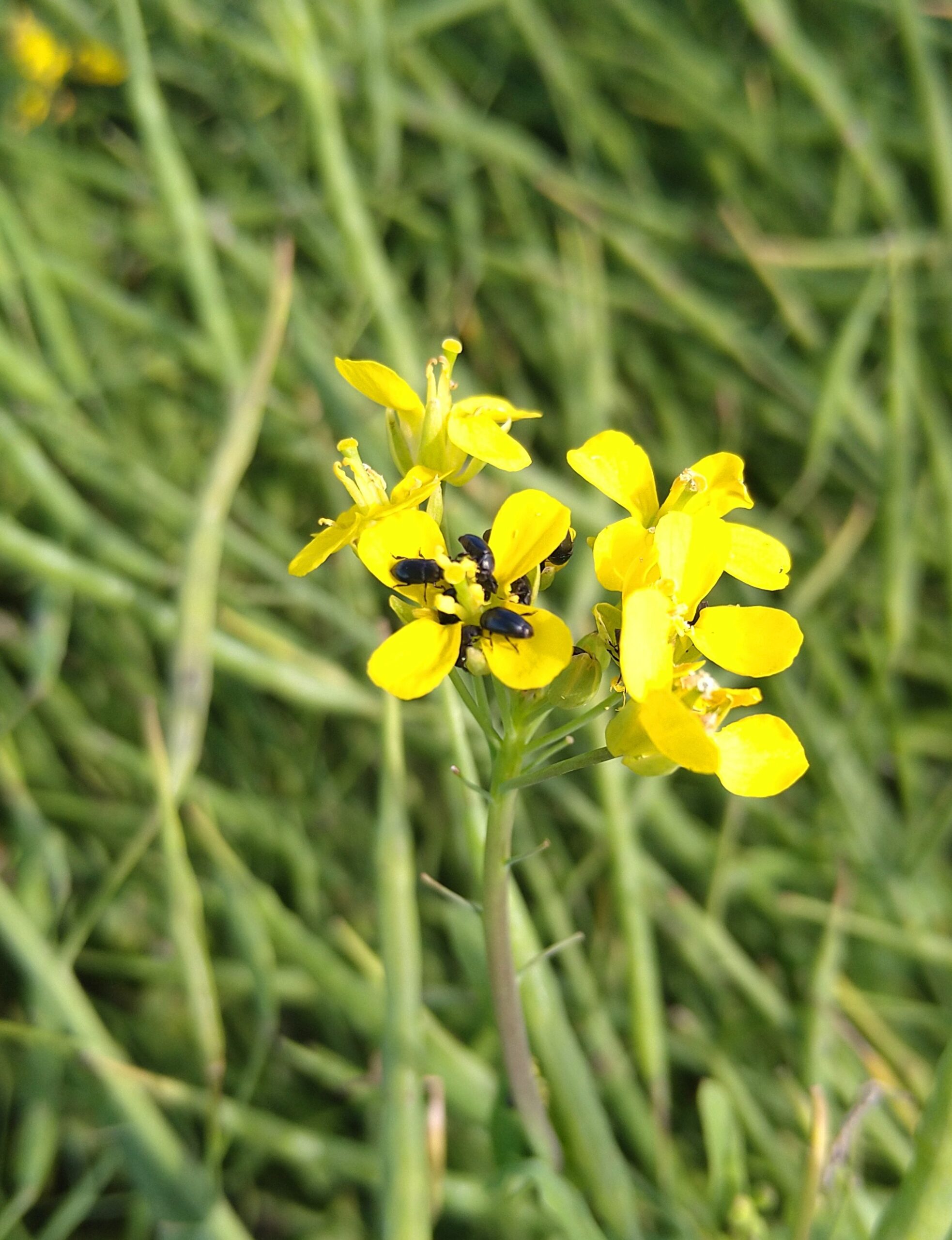
The project’s key measures include extensive sampling campaigns, in which plant samples are collected from legume and oilseed fields. In addition, rapeseed beetle samples are collected from oilseed crops. Based on the analysis of the sampling results, information is obtained that can be utilized to create more effective plant protection practices.
Samples are mainly collected by the project operators, but samples collected by farmers are also accepted. More detailed instructions for the collection and delivery of samples will be published later.
The project is coordinated by the Natural Resources Institute Finland and the project partners are Pyhäjärvi Institute and the Finnish Food Authority. The project’s partners also include Bayer Crop Science, Apetit Kasviöljy and Apetit Ruoka. The project is implemented in cooperation with RypsiRapsi-foorumi. The project has received funding from the Ministry of Agriculture and Forestry.